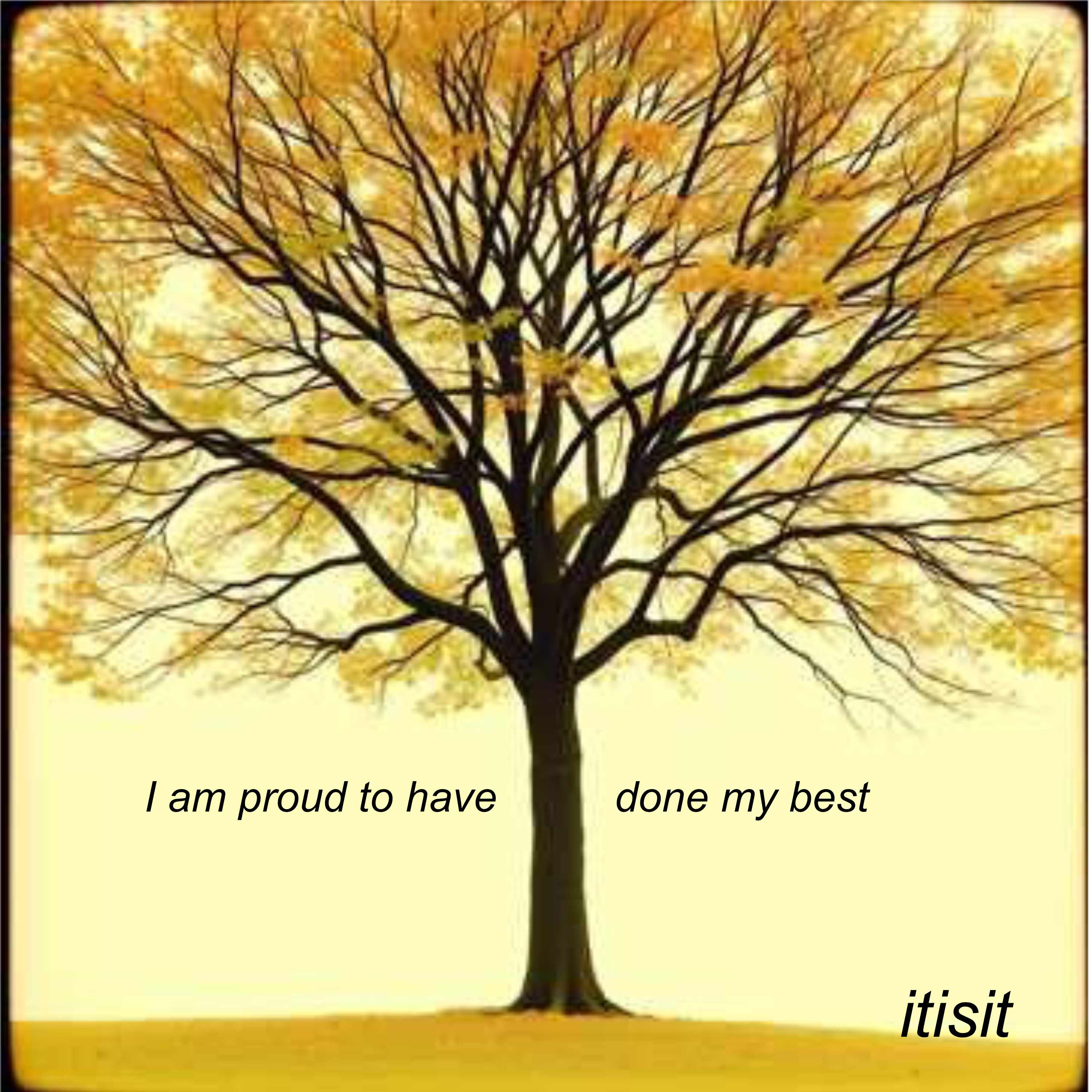
I Am Proud to Have Done My Best
An older voice finds purpose and gratitude in love, endurance and the shelter left for family.


"That I gave more than I took away" — I Am Proud to Have Done My Best
Not every life gets summarised this simply, but this line manages it in eight words — a ledger, read plainly, with a hope rather than a certainty attached to it. Gave more than took. That's the whole audit, and it doesn't need to be more complicated than that to matter.
A life could be assessed against dozens of criteria — achievements, relationships, mistakes made and corrected, opportunities used or wasted. This line skips all of that in favour of one plain question: on balance, did you give more than you took? That simplicity isn't a failure to think it through. It's clarity, earned.
The line is framed as a hope, not a guarantee — nobody gets to audit their own life with perfect objectivity, and this doesn't pretend otherwise. That honesty about not being fully sure, while still hoping the answer is yes, is more credible than a confident, unexamined claim would be.
Earlier in life, there's usually still time to adjust the balance, so the question doesn't carry the same weight. Later, with more of the ledger already written, the question of whether it balanced out the right way becomes something worth actually sitting with, honestly.
There's a song called I Am Proud to Have Done My Best that asks this exact question of itself, hoping rather than assuming the answer lands the right way. You can hear it here: https://isenior.com.au/listen/i-am-proud-to-have-done-my-best
An older voice finds purpose and gratitude in love, endurance and the shelter left for family.

Silver hair gets reached for as a symbol of ending — winter, dusk, the last chapter. This piece looks at why that default comparison isn't more accurate, just more common, and what changes when you choose dawn instead.
Read Story
Branches and roots grow in opposite directions, and both matter, though only one is visible from outside. This piece looks at why a legacy of love seems to require both the visible reach and the invisible depth.
Read Story
For years, teaching between parent and child seems to run one way. This piece looks at the moment that assumption quietly stops being true, and why the reversal feels like a gift rather than a loss.
Read Story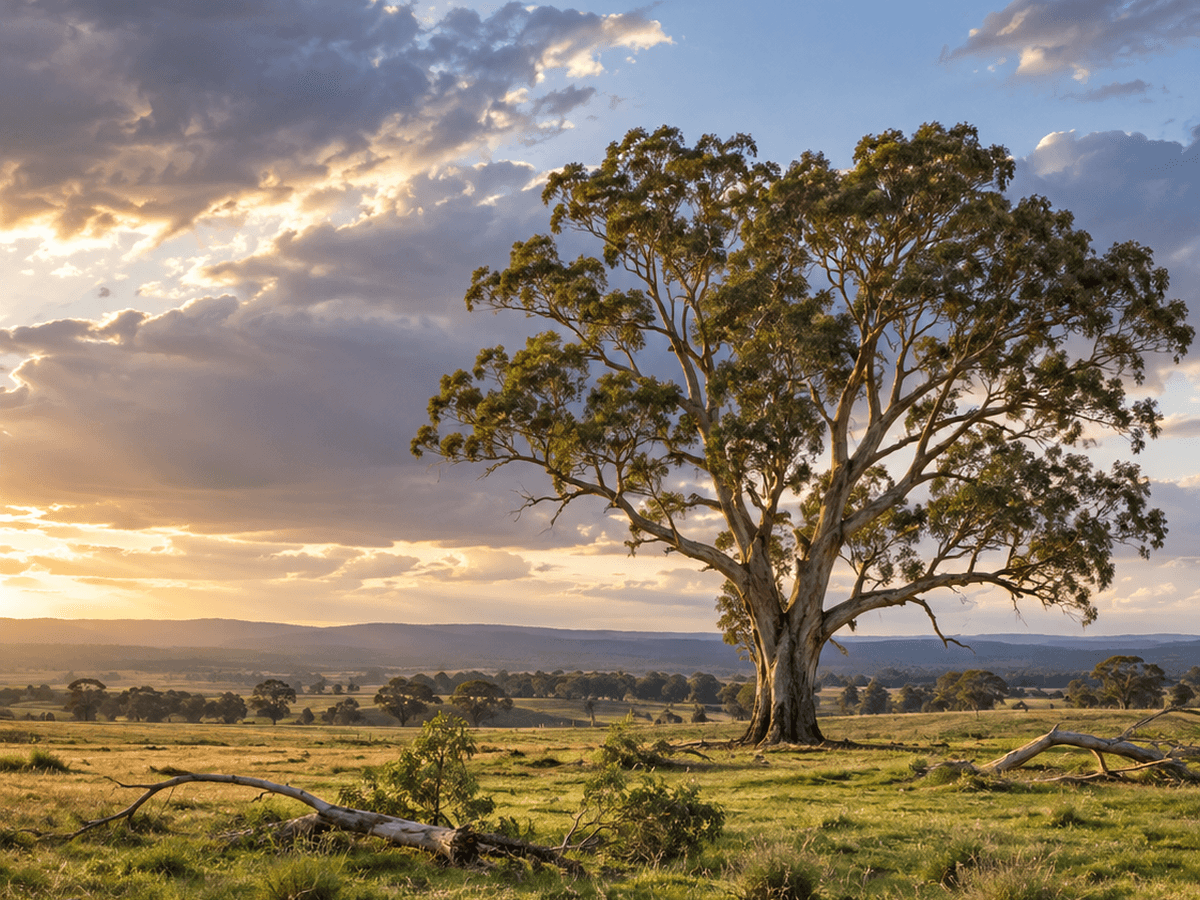
The verb here is tried, not stood — a modest, ongoing effort through storm and calm both, whether or not it always fully succeeded. This piece looks at why this claim survives an entire life's worth of exceptions where a claim of perfection wouldn't.
Read Story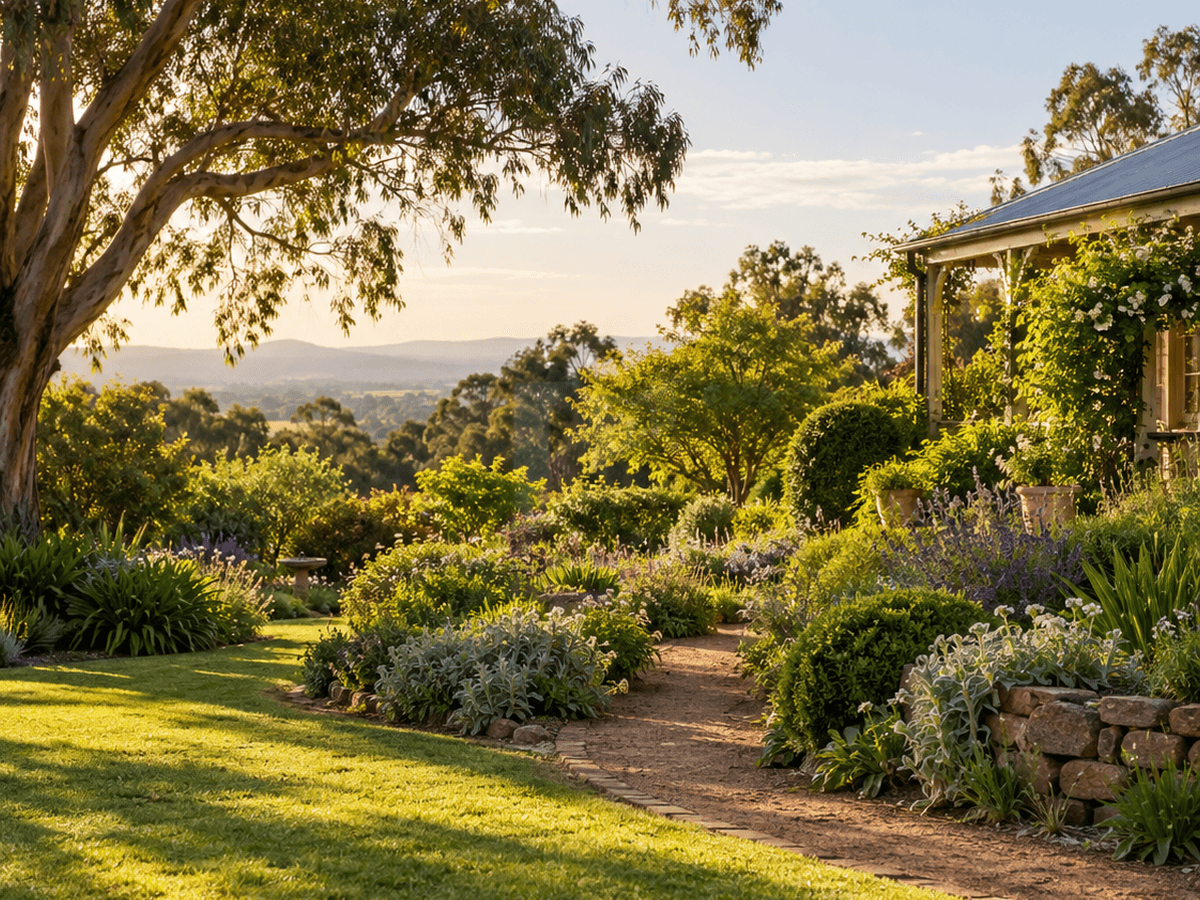
A younger person can admire a mature garden or a lived-in home. Only someone who built it remembers how bare it used to be. This piece looks at the deeper knowledge that only comes from watching something grow across genuine decades.
Read Story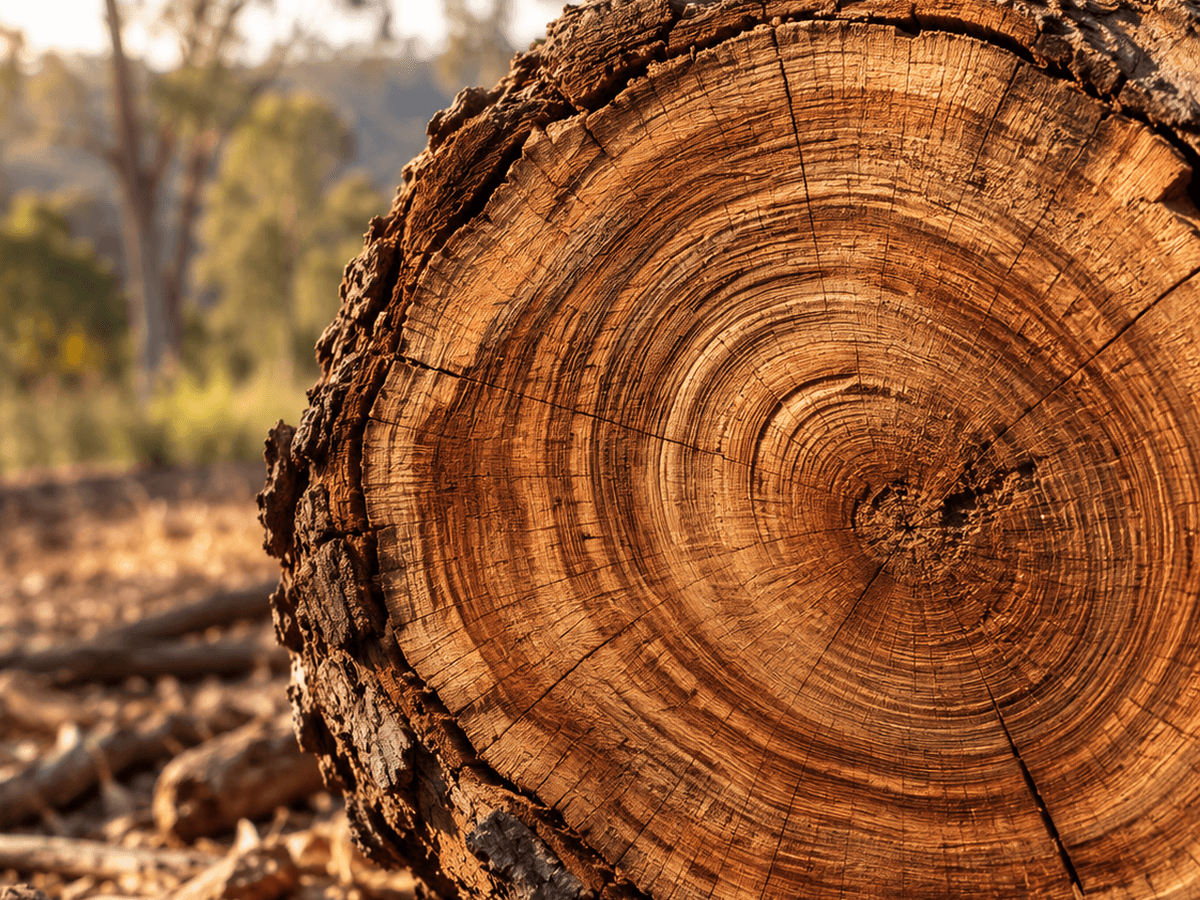
A tree's rings record hard years and good ones equally, without judgment. This piece borrows that same honesty for a human face, and asks why this comparison feels truer than most of the usual ones reached for.
Read Story
A broken heart from decades ago often reads differently with distance — less like pure loss, more like an education that kept paying dividends. This piece looks at why that education only becomes visible with time.
Read Story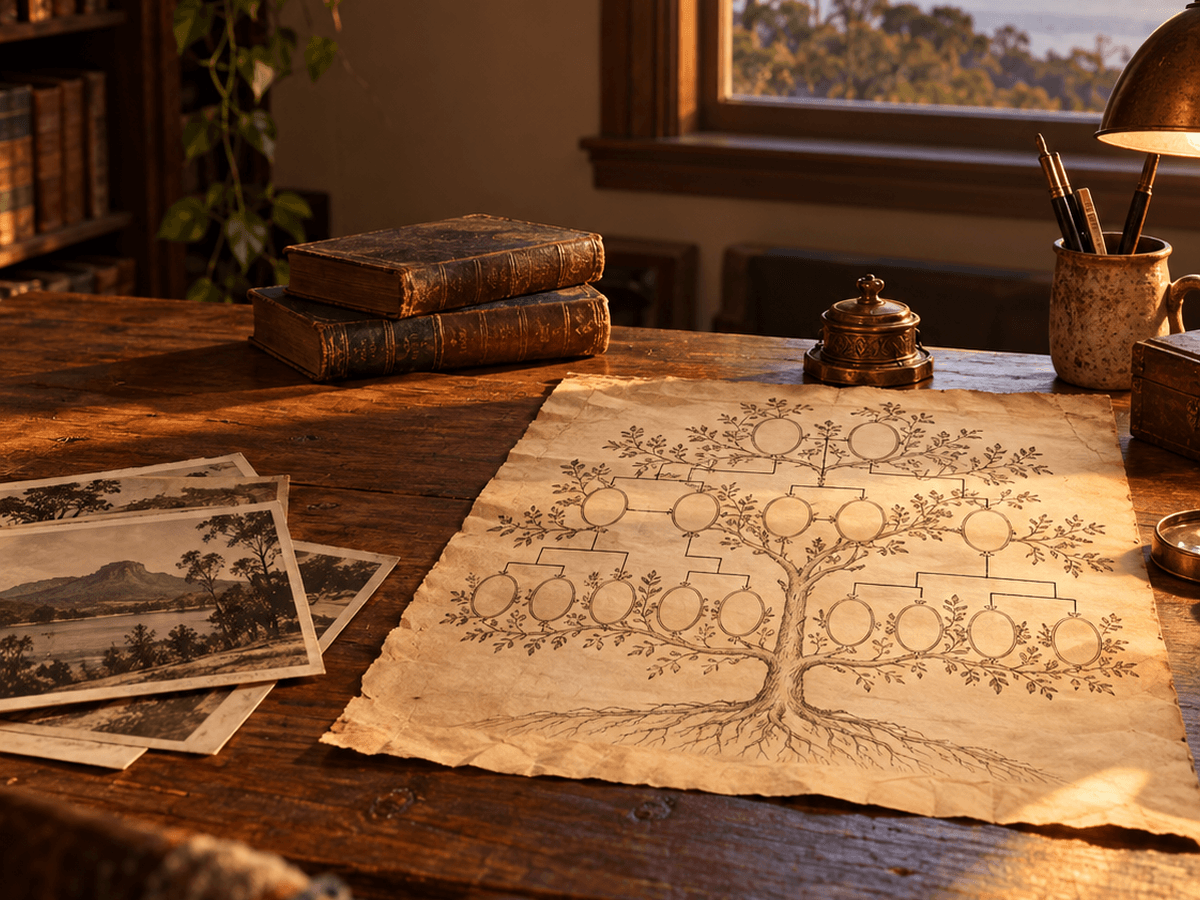
Asked about legacy, most people reach for something specific and nameable. This line reaches for shade and shelter instead — offered by something still growing long after the person who planted it is gone. This piece looks at what that kind of legacy actually requires.
Read Story
A good life gets assembled retrospectively, out of ordinary roads walked and hills climbed, joy and spills both included without ceremony. This piece looks at why storms danced through, not just survived, is what makes the difference.
Read Story
This isn't an opening boast — it's a closing statement, the kind that only really lands once there's an entire life behind it. This piece looks at why pride tied to effort rather than outcome is a claim worth defending, and why it takes decades to earn the right to say it.
Read Story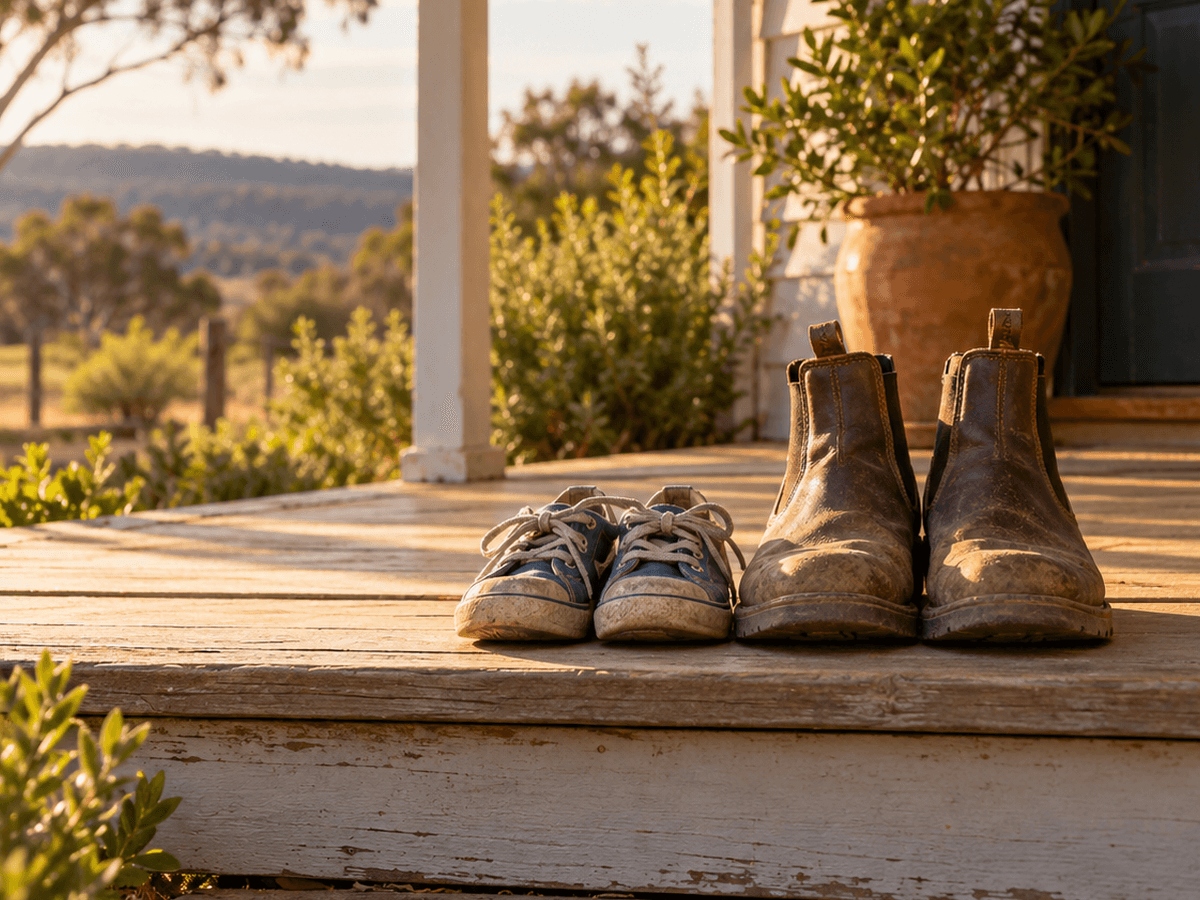
The barefoot-in-summer-grass memory doesn't fade the way people assume old memories should — it gets clearer. This piece looks at why, and what it means to keep that thread visible across a whole long life.
Read Story