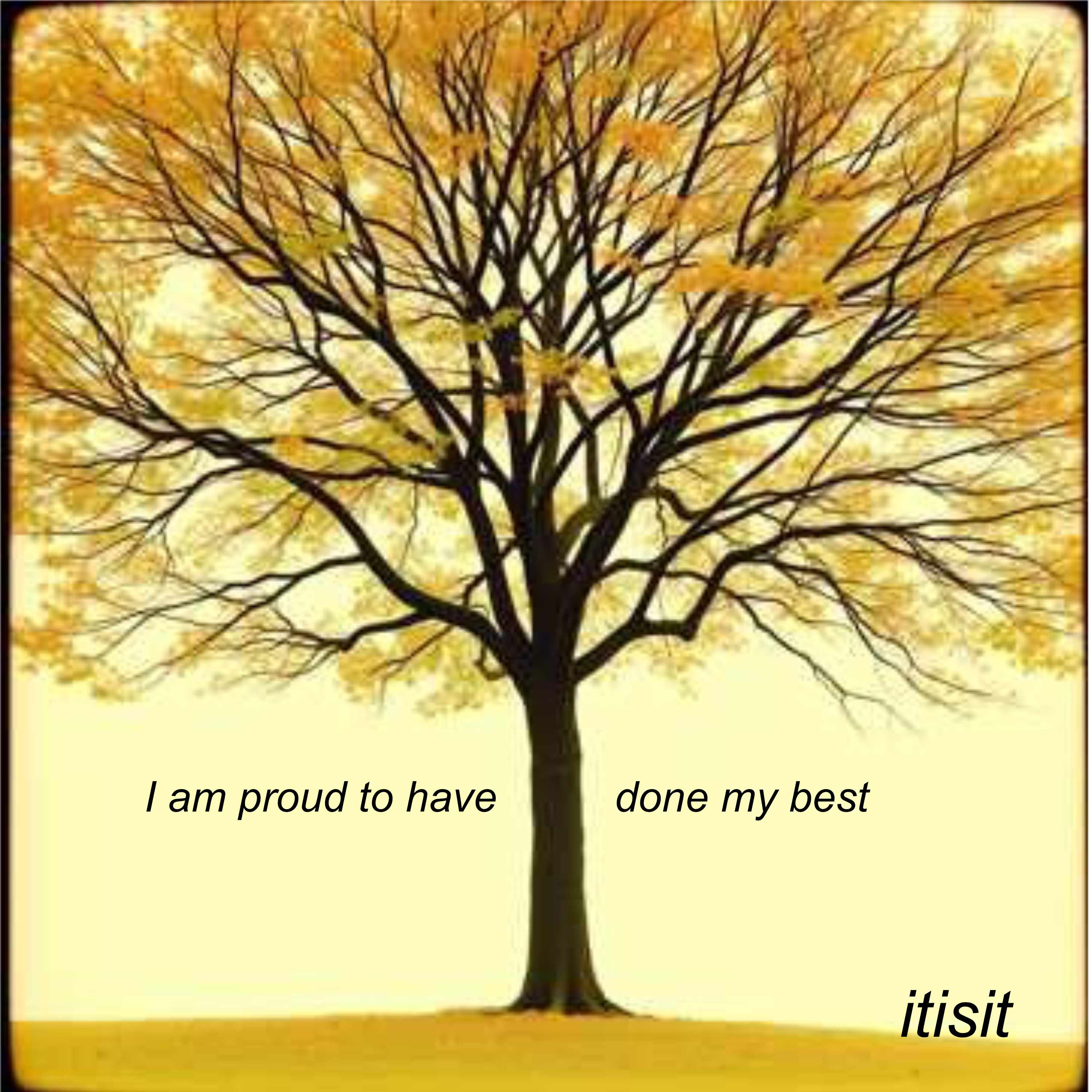
I Am Proud to Have Done My Best
An older voice finds purpose and gratitude in love, endurance and the shelter left for family.

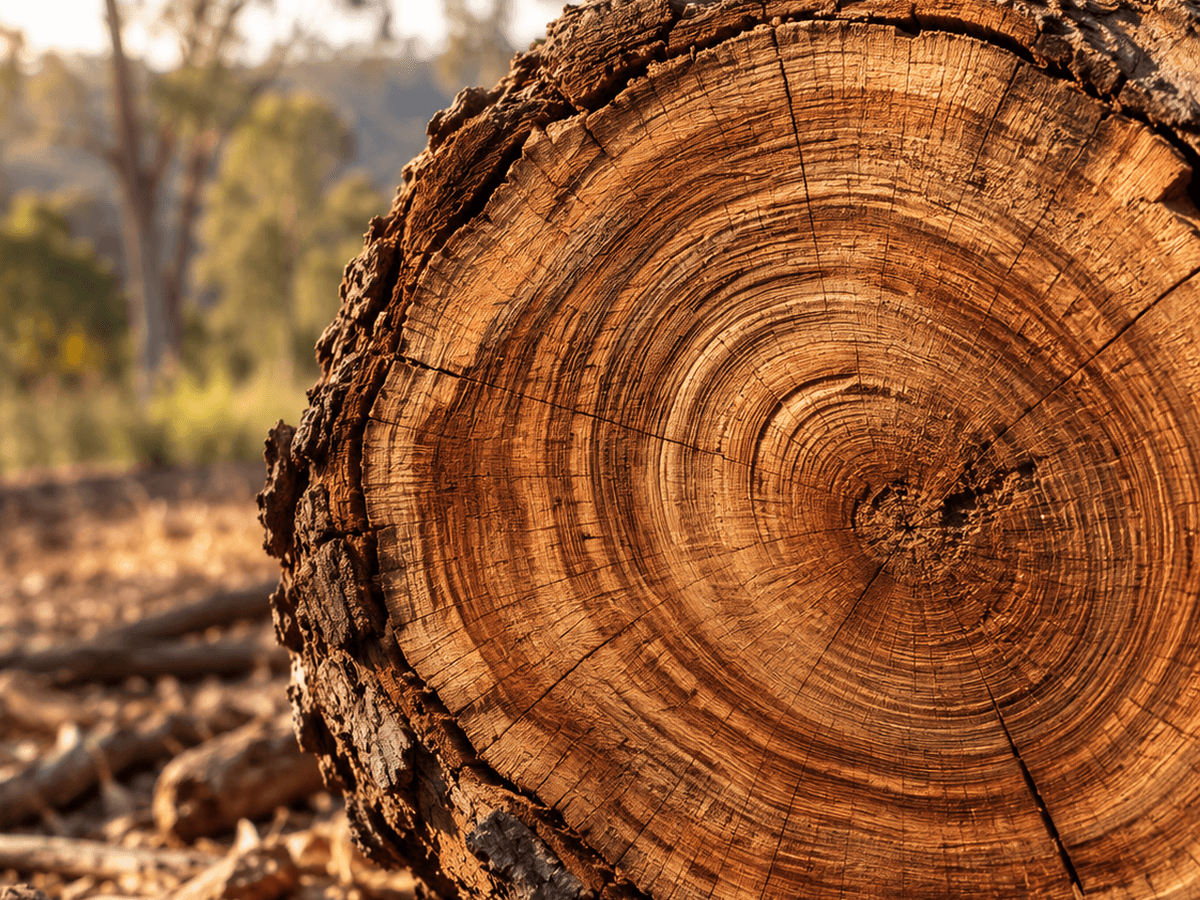
"Lines on my face, like rings on a tree" — I Am Proud to Have Done My Best
A tree's rings don't record only the good years. Wide rings mark generous growing seasons; narrow ones mark drought, cold, hardship. Every ring is still counted as part of the tree's record, without judgment about which years were kinder than others. This line borrows that same honesty for a human face.
A tree doesn't get to edit out the narrow rings from a hard year — they're built into the trunk permanently, visible to anyone who cares to cut through and look. A face works the same way, if you're willing to read it that way: the hard years left their own kind of ring, and they count exactly as much as the easy ones.
No single ring in a tree trunk claims to matter more than the others — a wide ring from a good year and a narrow ring from a hard one are simply different, sitting side by side in the same trunk. A face full of different kinds of lines works the same way: no single expression of a life has to dominate the whole record.
Most comparisons for an ageing face reach for something being lost — smoothness, youth, a former version. Comparing lines to tree rings reaches for something being recorded instead, which changes the whole emotional register from loss to documentation, from subtraction to addition.
There's a song called I Am Proud to Have Done My Best that opens with exactly this comparison — lines on a face, rings on a tree, both simply recording years lived. You can hear it here: https://isenior.com.au/listen/i-am-proud-to-have-done-my-best
An older voice finds purpose and gratitude in love, endurance and the shelter left for family.

A broken heart from decades ago often reads differently with distance — less like pure loss, more like an education that kept paying dividends. This piece looks at why that education only becomes visible with time.
Read Story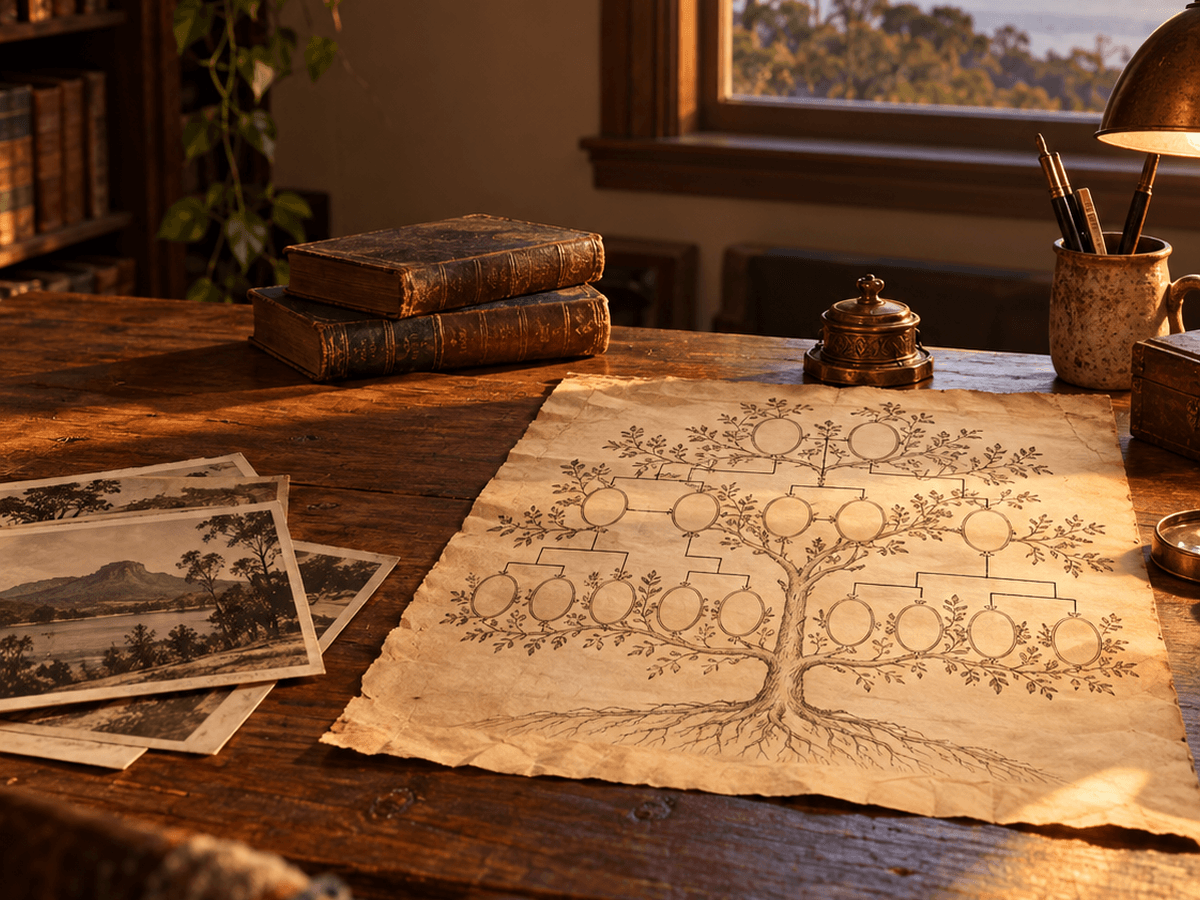
Asked about legacy, most people reach for something specific and nameable. This line reaches for shade and shelter instead — offered by something still growing long after the person who planted it is gone. This piece looks at what that kind of legacy actually requires.
Read Story
A good life gets assembled retrospectively, out of ordinary roads walked and hills climbed, joy and spills both included without ceremony. This piece looks at why storms danced through, not just survived, is what makes the difference.
Read Story
This isn't an opening boast — it's a closing statement, the kind that only really lands once there's an entire life behind it. This piece looks at why pride tied to effort rather than outcome is a claim worth defending, and why it takes decades to earn the right to say it.
Read Story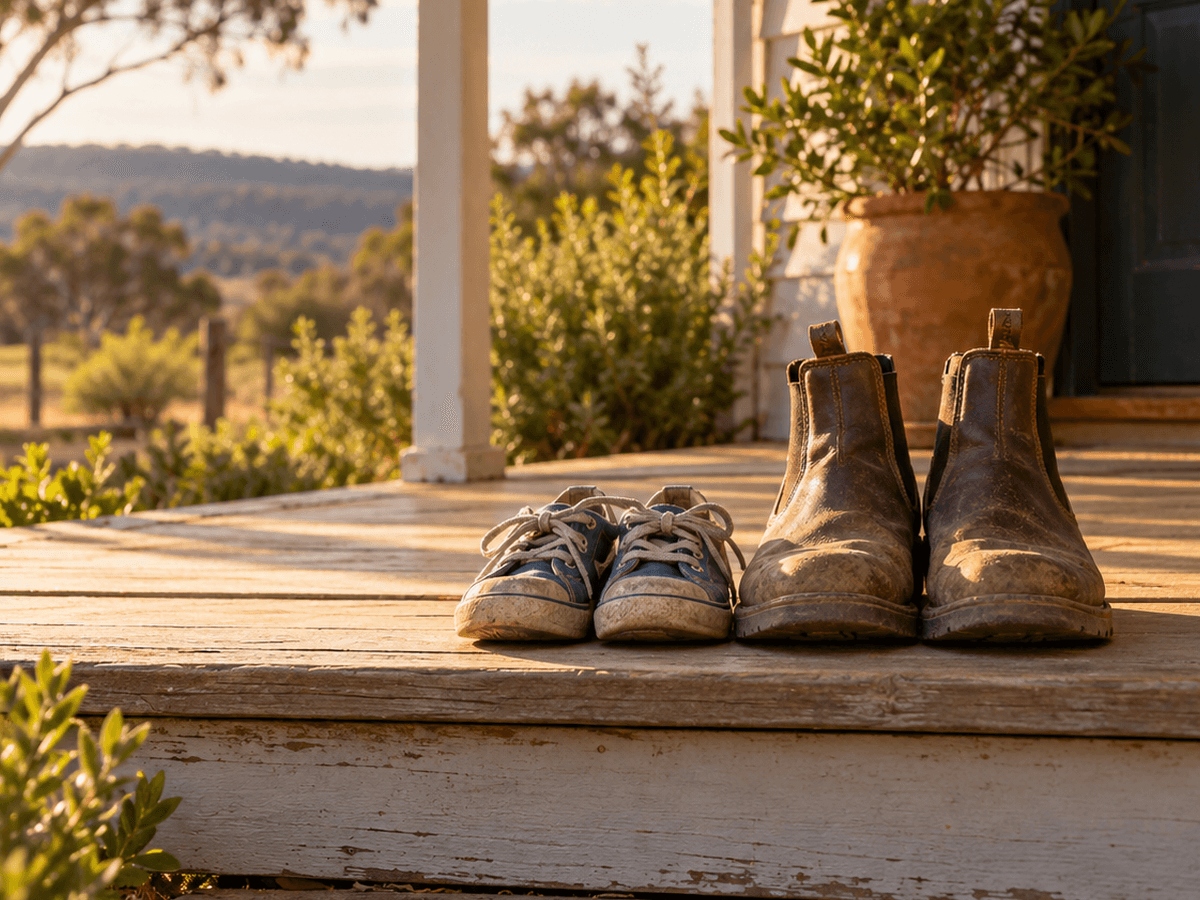
The barefoot-in-summer-grass memory doesn't fade the way people assume old memories should — it gets clearer. This piece looks at why, and what it means to keep that thread visible across a whole long life.
Read Story