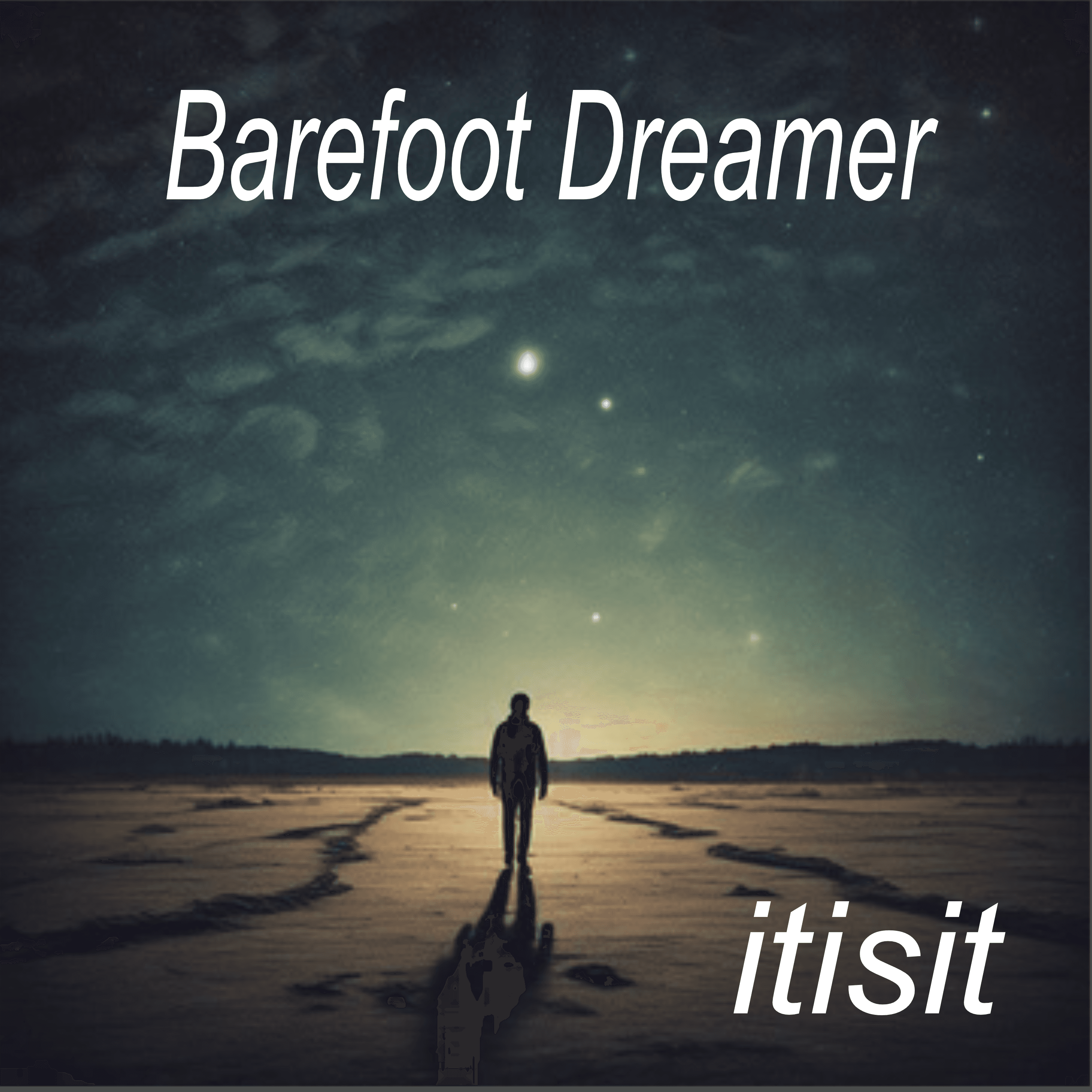
Barefoot Dreamer
A life-course reflection moving from childhood wonder through love, family, work, ageing and grateful acceptance of a good life.


"Taught my children how to wonder, now they teach me what they know" — Barefoot Dreamer
For years, the direction of teaching between a parent and a child seems obvious — one way, from older to younger. This line marks the moment that assumption quietly stops being true, and the flow reverses, or at least starts running both directions at once.
In the early years, a parent teaches almost everything — how to walk, how to wonder, how to be curious about the world. It's easy to assume that arrangement is permanent, that the roles are fixed. They're not. They're just true for a particular season.
The things adult children end up teaching a parent are often practical on the surface — new technology, new ideas, new ways of seeing something familiar — but underneath that, there's usually something bigger being taught too: that curiosity, once planted, keeps generating new information forever, in directions nobody could have predicted.
Some people might expect this shift to feel like a demotion — no longer the one who knows more. In practice, it tends to feel like the opposite: proof that the wonder taught decades ago actually took root and grew into something with its own independent life, capable of teaching its own teacher.
There's a song called Barefoot Dreamer that names this exact moment — the reversal, the wonder coming back around, having grown into something new. You can hear it here: https://isenior.com.au/listen/barefoot-dreamer
A life-course reflection moving from childhood wonder through love, family, work, ageing and grateful acceptance of a good life.
The verb here is tried, not stood — a modest, ongoing effort through storm and calm both, whether or not it always fully succeeded. This piece looks at why this claim survives an entire life's worth of exceptions where a claim of perfection wouldn't.
Read Story
A younger person can admire a mature garden or a lived-in home. Only someone who built it remembers how bare it used to be. This piece looks at the deeper knowledge that only comes from watching something grow across genuine decades.
Read Story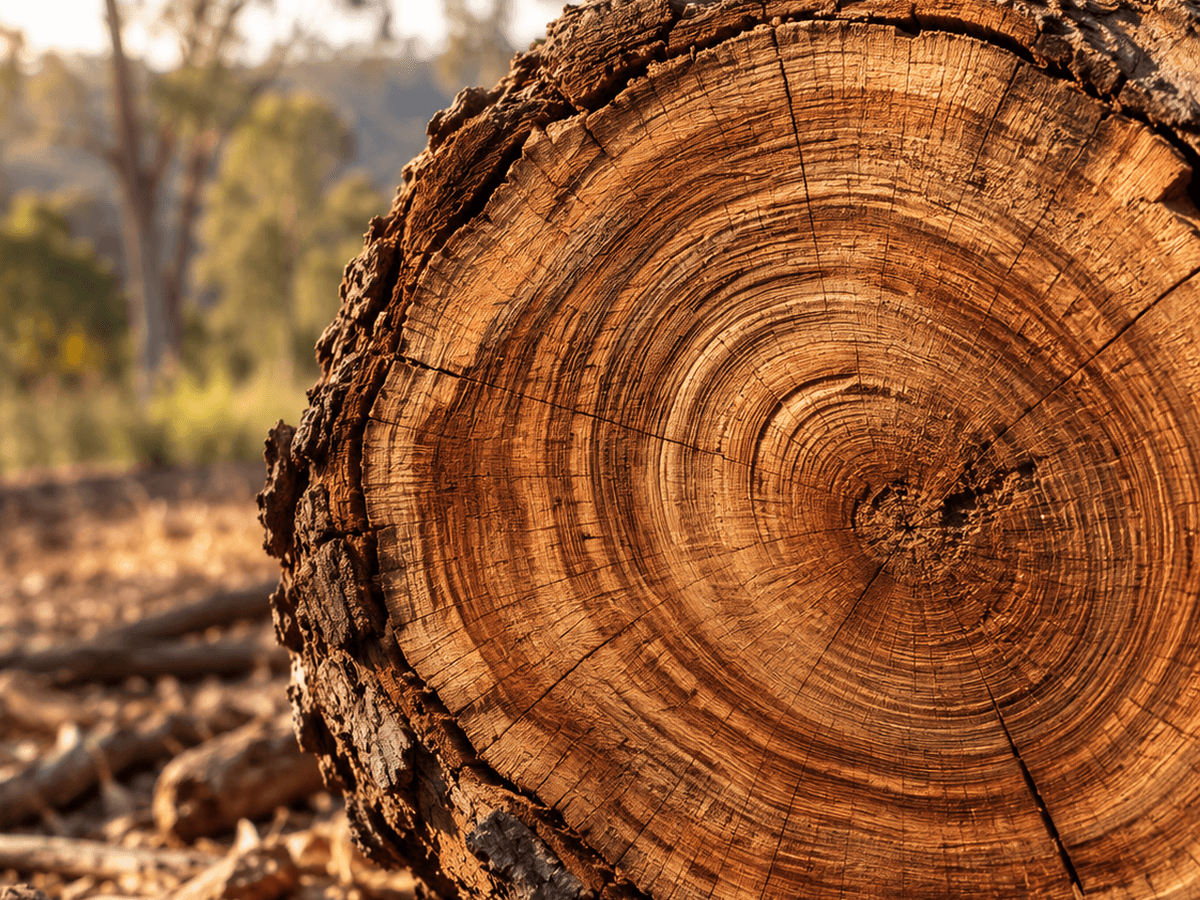
A tree's rings record hard years and good ones equally, without judgment. This piece borrows that same honesty for a human face, and asks why this comparison feels truer than most of the usual ones reached for.
Read Story
A broken heart from decades ago often reads differently with distance — less like pure loss, more like an education that kept paying dividends. This piece looks at why that education only becomes visible with time.
Read Story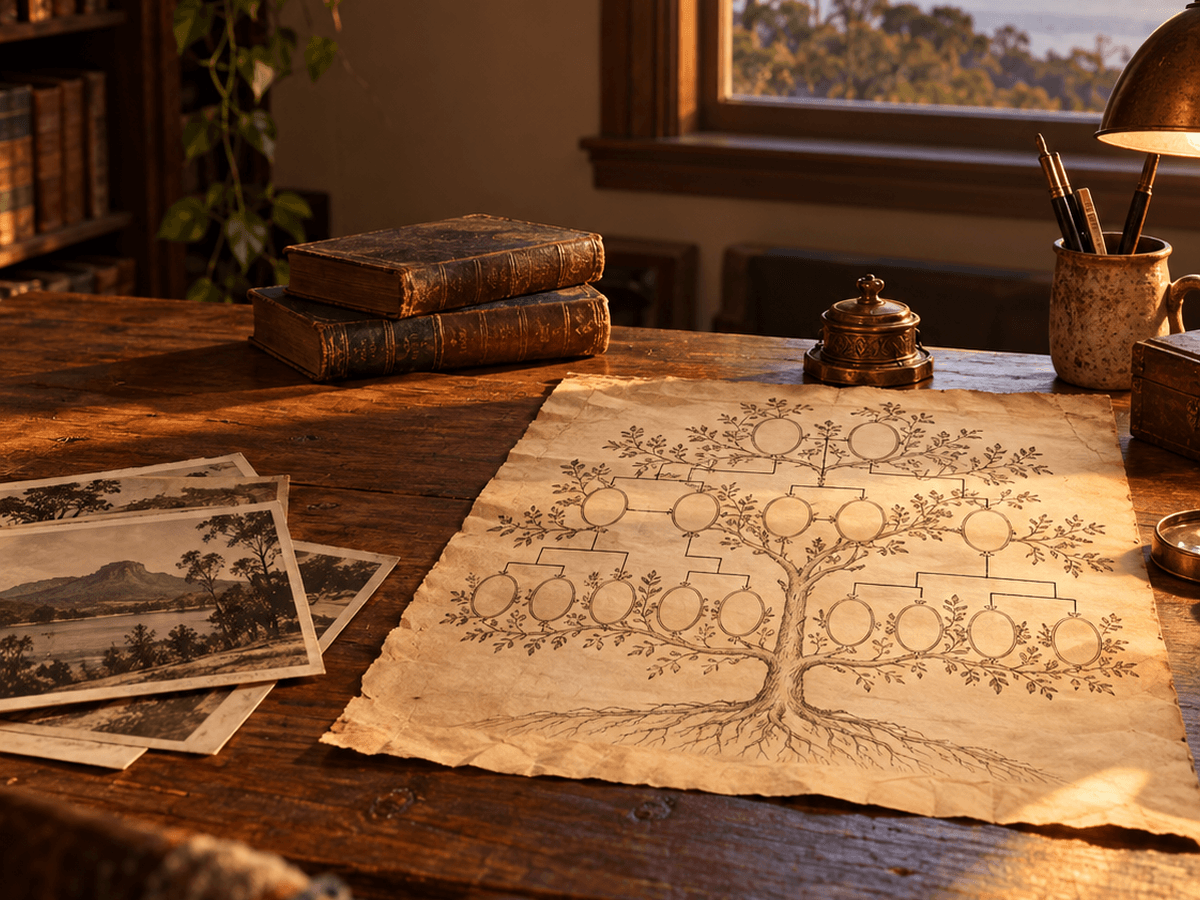
Asked about legacy, most people reach for something specific and nameable. This line reaches for shade and shelter instead — offered by something still growing long after the person who planted it is gone. This piece looks at what that kind of legacy actually requires.
Read Story
A good life gets assembled retrospectively, out of ordinary roads walked and hills climbed, joy and spills both included without ceremony. This piece looks at why storms danced through, not just survived, is what makes the difference.
Read Story
This isn't an opening boast — it's a closing statement, the kind that only really lands once there's an entire life behind it. This piece looks at why pride tied to effort rather than outcome is a claim worth defending, and why it takes decades to earn the right to say it.
Read Story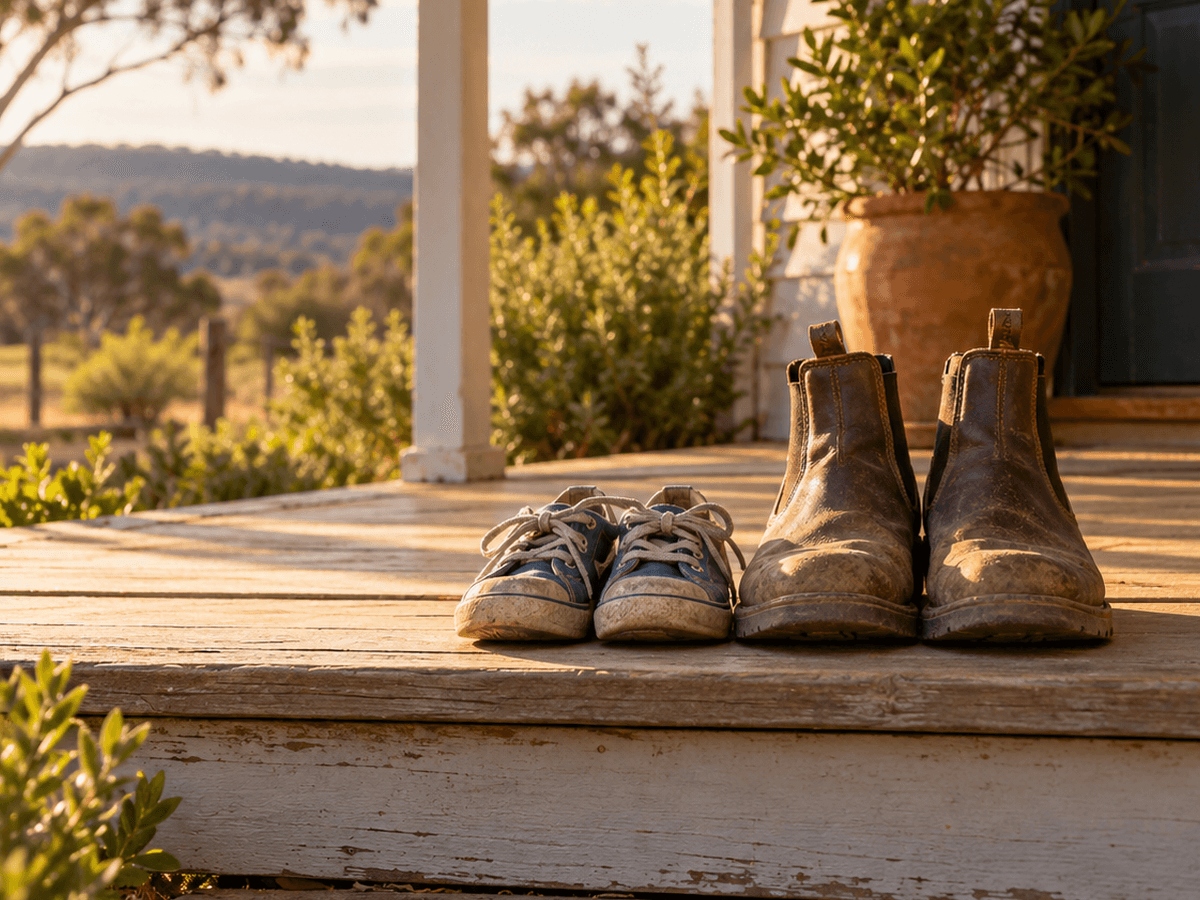
The barefoot-in-summer-grass memory doesn't fade the way people assume old memories should — it gets clearer. This piece looks at why, and what it means to keep that thread visible across a whole long life.
Read Story